

ApeCoin’s Behind The Build announcement points viewers to HoneyB and Hypha explaining how they created The Odysside. The useful part of that invitation is not an implied financial outcome. It is the possibility of seeing decisions behind an experience: what the creators attempted, which tools they used and which limitations shaped the result. A finished promotional image rarely answers those questions on its own.
A walkthrough and a transferable asset perform different jobs. The first can document a process; the second may record a token or permission under specified rules. Neither automatically grants copyright, continued hosting or compatibility with another game. A collection becomes easier to evaluate when its description separates the artwork, the actual use available today and any proposed use that still depends on future development.
Creator support also deserves precise language. A programme that accepts proposals is not a funding award, and an award is not proof of a finished product. The broader discussion of creator assistance should lead to a concrete question about deliverables: what can a participant demonstrate, and what would establish that the supported work is usable? Those distinctions protect both the creator’s effort and the audience’s expectations.
The Xai Foundation describes developer growth, ecosystem support and game marketing among its functions. That makes its materials relevant to a developer researching the ecosystem. It does not make Night Ash a grant recipient or a supported studio. Any such relationship would need its own attributable announcement. The existing browser games can be evaluated directly without borrowing credibility from programmes in which participation has not been established.
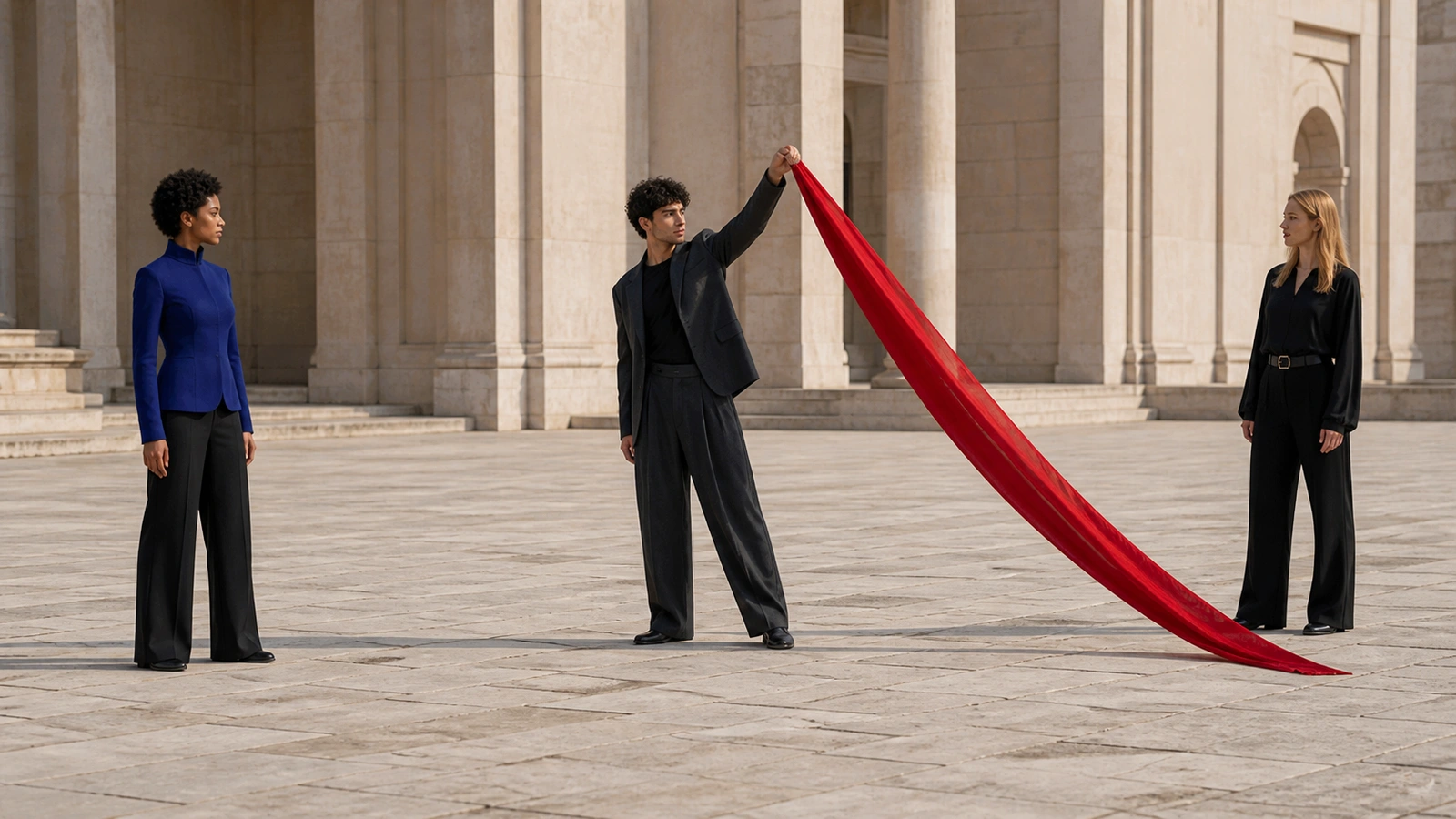
For illustrated game projects, showing process also means identifying the role of generated artwork. An image can set a mood or explain an idea without being evidence of a real event, a staff member or a working feature. Clear authorship and accurate product status leave more room for ambitious art, because viewers are not being asked to infer technical delivery from visual polish. The distinction is particularly important when characters recur across many pages.
The next meaningful improvement would connect a creative claim to something inspectable: a playable scene, a reproducible demonstration or a clearly described set of rights. If that evidence does not exist yet, the description should remain a proposal. A strong collection does not need its audience to confuse inspiration with implementation. It needs a coherent relationship between what is shown, what can be used and what the creator is actually offering.