

Metaverse production is moving through playable systems rather than static showcases. Teams are testing cooperative dungeons, capture mechanics, pathfinding, sound, street combat, new games, and organized community nights. That is healthy evidence of work. Yet the same reporting window carried a bridge incident involving 14.74 million tokens, making recovery design as important as content cadence.
Worlds Directorate owns the Night Ash decision, with Game Operations responsible for session integrity and Security Directorate responsible for containment. No public event enters the calendar until its access rules, asset boundaries, and fallback mode are named. A crowded game night can be welcoming without becoming permissive; a closed alpha can be experimental without turning identity or inventory into disposable test data.
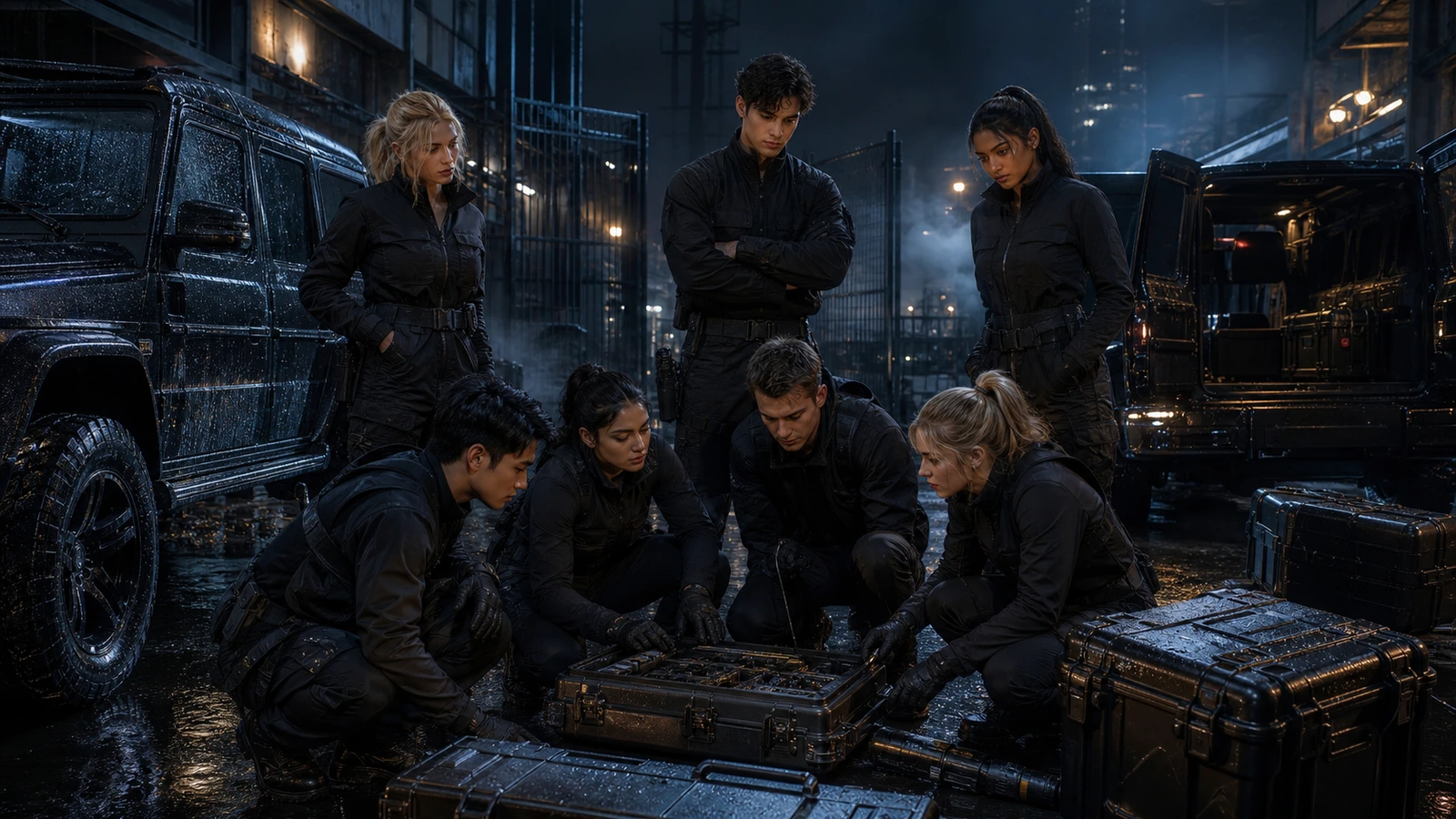
The next field drill will admit a small squad to one cooperative encounter, interrupt one transfer route, and move the group into a safe continuation state. The team must preserve position, earned progress, and accountable ownership while refusing any disputed transfer. Observers will measure how quickly players understand the interruption, whether support can identify the affected scope, and whether unaffected routes remain usable.
Xai's gaming-first Layer 3 architecture provides the main capability anchor, with Arbitrum Orbit, Nitro, and AnyTrust supporting gaming workloads at scale. The Builder surface adds Unity and Unreal paths for teams that need familiar production tools. Night Ash will use those capabilities to separate world logic, identity, and settlement responsibilities so that a content update does not quietly widen financial authority.
The operational standard also covers community stewardship. A newly launched game, a buildathon discussion, and an ambassador-led guild night each create different obligations. Worlds Directorate will define who moderates the room, who can award items, who can suspend a route, and how a participant appeals an incorrect decision. Records will preserve those actions without publishing private player provenance.
This is a favorable development cycle because teams are shipping, testing, and gathering players around concrete experiences. Night Ash intends to meet that energy with dependable systems. When a squad can enter quickly, keep a coherent identity, retain rightful progress through an outage, and resume without duplicating assets, multiplayer worlds become durable places of coordination rather than fragile demonstrations.